
Frequently Asked Questions
Luxury Vinyl Plank
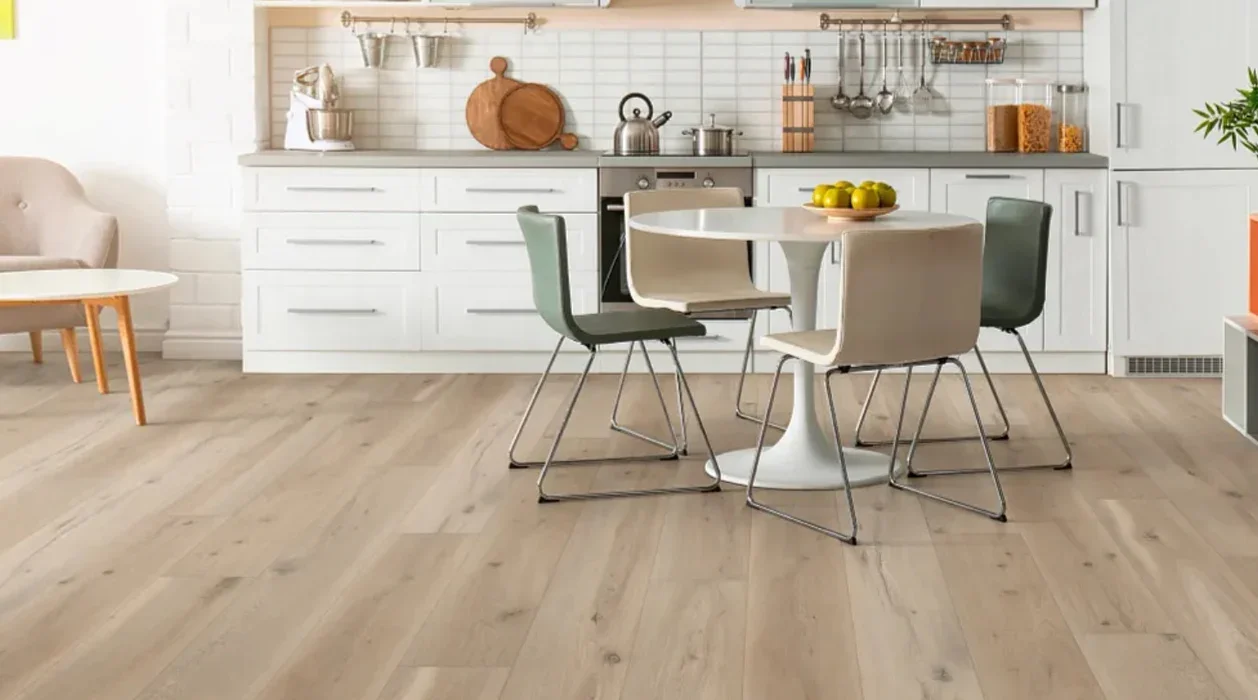
At Cold Spring Carpet, we primarily carry high-quality LVP products, we find they perform better long-term — especially for busy families, pets, and Minnesota seasonal changes. All items in our showroom will be waterproof, have a pad attached, a quality locking system and be 20mil.
1. Is vinyl plank flooring waterproof?
Yes, luxury vinyl plank products are waterproof, making them ideal for kitchens, bathrooms, basements, and high-traffic areas.
2. Can vinyl plank be installed over existing flooring?
Often, yes. As long as the surface is flat, clean, and stable, LVP can be installed over many existing floors. We’ll evaluate your space before installation.
3. Does vinyl plank scratch easily?
LVP is highly scratch-resistant, but not scratch-proof. We recommend felt pads on furniture and rugs in high-traffic areas to protect the surface.
4. How long does vinyl plank flooring last?
With proper installation and care, quality vinyl plank can last 15–25 years or more.
5. How do I clean and care for my vinyl plank flooring?
Luxury Vinyl Plank is low maintenance, but proper care will help it last for years. Sweep, or dry mom regularly to remove grit. Vacuum with hardwood setting ( No beater bar.) Wipe spills promptly. Use a damp microfiber mop with a vinyl approved cleaner. Avoid using bleach, ammonia or anything abrasive. These floors do NOT require waxing or oiling.
6. What Does “Mil” Mean in Vinyl Plank Flooring?
“Mil” refers to the thickness of the wear layer on LVP flooring. The wear layer is the clear protective coating on top of the plank that protects it from:
Scratches - Scuffs - Dents - Daily wear and tear
Common Mil Thickness Levels
6–8 mil → Light residential use
12 mil → Standard residential use
20+ mil → High-traffic homes, pets, commercial use
Carpet
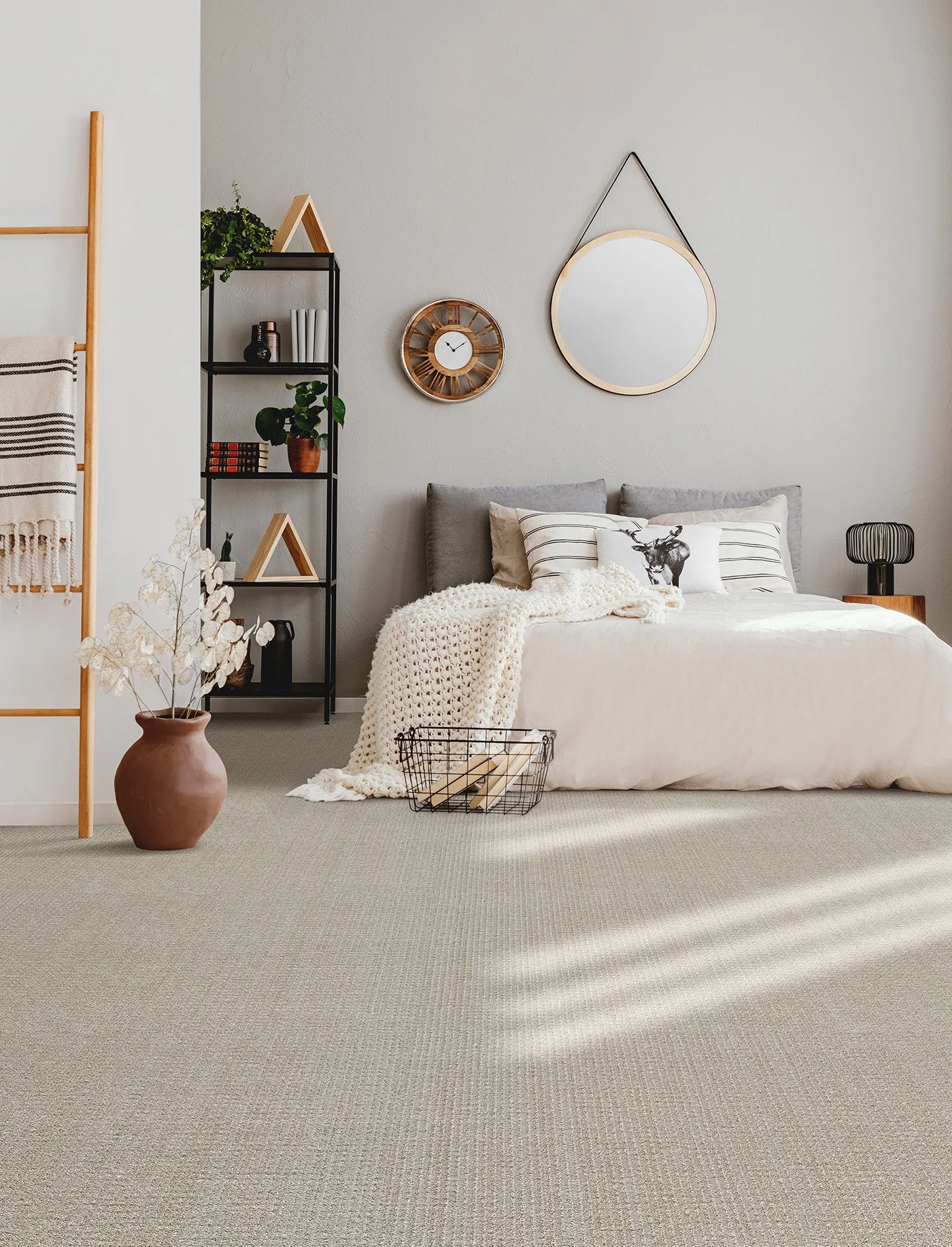
1. How do I choose the right carpet for my home?
We help you select based on lifestyle, traffic level, pets, and budget.
2. Do I need new carpet padding?
Yes — in most cases. New pad improves comfort, extends carpet life, and is required for manufacturer warranty coverage.
3. How do I maintain my carpet?
Vacuum 1–2 times per week and schedule professional cleaning every 12–18 months. Promptly clean spills to prevent staining. See our recommend cleaning site for specific care info. Spot Solver - Click Here
4.What Is the Difference Between Nylon and Polyester Carpet?
- Polyester
Very soft feel
Naturally Stain Resistant
More affordable
Great color clarity
- Nylon
Resilient when properly cleaned
Holds shape
Widely used in high-end carpets
6. What type of Padding will I get?
Plush carpets will get a 1/2’’ - 6lb pad. Patterned carpets will ge a denser 7/16’’ 8lb pad.
7. How long does carpet typically last?
Carpet typically last for 8-15 years, depending on fiber type, quality, traffic, and maintenance.
Hardwood
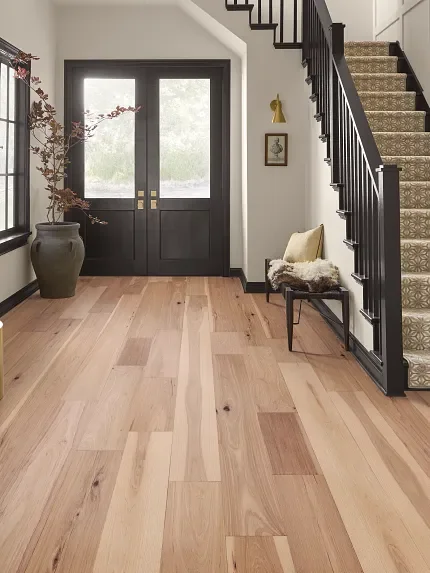
1. Is hardwood flooring a good choice for busy households or homes with pets?
Yes! Hardwood is durable and long-lasting, especially harder species like oak, maple, or hickory. While it can scratch over time, many homeowners appreciate that minor wear adds character. Using felt pads, area rugs, and keeping pet nails trimmed helps protect the surface.
2. Can hardwood floors be refinished if they get damaged or worn?
One of the biggest advantages of hardwood is that it can be sanded and refinished multiple times over its lifespan. This allows you to remove scratches, dents, or outdated stain colors and make the floor look like new again—something you can’t do with most other flooring types.
3. How does weather affect hardwood flooring?
Hardwood naturally expands and contracts with changes in moisture. That’s why maintaining consistent indoor humidity (ideally 35–55%) is important to prevent gaps in winter or slight expansion in summer.
4. What is the difference between solid hardwood and engineered hardwood?
Solid hardwood is made from one piece of natural wood and can be sanded and refinished multiple times. Engineered hardwood has a real wood surface layered over a stable core, making it more resistant to moisture and better suited for areas like basements or over concrete. Both offer the look of genuine wood—the right choice depends on where it’s being installed.
5. Can hardwood flooring be installed in kitchens or entryways?
Yes, hardwood can be installed in these areas, but it’s important to manage moisture and wear. Using entry mats, cleaning up spills promptly, and maintaining a good finish will protect the floor. Many homeowners successfully use hardwood throughout the main level for a seamless look, especially with today’s durable finishes.
6. How do I clean and maintain hardwood floors?
Routine care is simple:
Sweep or vacuum regularly to remove grit.
Use a damp (not wet) microfiber mop with a hardwood-approved cleaner.
Avoid excess water, steam mops, or harsh chemicals.
Place mats at entryways to reduce dirt and moisture.
With proper care, hardwood floors can last for decades.
What type of flooring is best for my home?
Answers…
Vinyl plank (LVP): best for busy households, pets, kids, basements, kitchens, and moisture-prone areas. WHY CHOOSE IT: It is waterproof or highly water-resistant, very durable and scratch resistant, budget friendly, easy to clean and maintain, comfortable and quiet underfoot. CONSIDER: It doesn’t add as much resale value as real hardwood. Solid hardwood: best for living rooms, dining rooms, bedrooms, and homes where you want a timeless, high-end look. WHY CHOOSE IT: Real wood beauty and warmth, increases home value, can be sanded and refinished many times, lasts for decades. CONSIDER: Not ideal for moisture, humidity, or bathrooms/basements. Engineered hardwood: best for areas where you want real wood but need more stability or moisture tolerance than solid hardwood allows. WHY CHOOSE IT: Real wood surface with added stability, performs better with humidity changes, can be installed over concrete or in basements, often more affordable than solid hardwood. CONSIDER: Can only be refinished a limited number or times depending on the veneer thickness.